







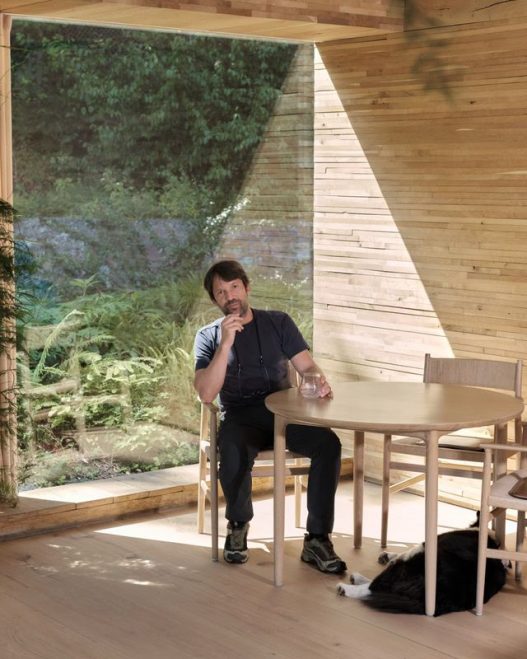
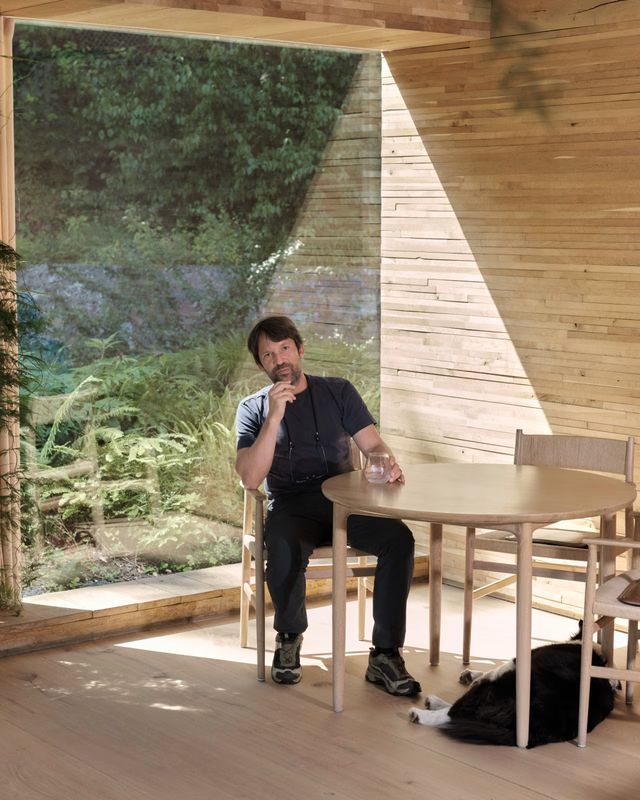
- Location: Copenhagen, Denmark.
- Chef and Restaurant: René Redzepi, Noma restaurant.
- Distinctions: 3 Michelin stars and 1st place in the World’s 50 Best Restaurants ranking.
- What’s new: End of the classic format and transition to the ‘Noma 3.0’ model, dedicated to culinary research and innovation.
Founded in 2003 in the Danish capital by chef René Redzepi, the Noma restaurant has established itself over the last two decades as the absolute sanctuary of contemporary fine dining. By elevating wild produce, foraging and fermentation to the status of absolute art, the Copenhagen establishment has profoundly redefined the codes of international fine dining. Today, as the institution begins a major transformation towards an innovative model dubbed Noma 3.0, the restaurant world once again has its eyes fixed on its iconic chef, a figure as adored for his culinary genius as he is debated for his management style and the extreme demands of his kitchen.
The return to the spotlight of this legendary restaurant comes at a time of profound change for the fine dining sector. After dominating the top of the World’s 50 Best Restaurants ranking and earning three Michelin stars, Noma shook the culinary world by announcing the end of its classic restaurant service in its historic form. This radical decision reflected a desire to move away from an economic and human model that had become unsustainable, in order to reinvent itself as a pioneering laboratory dedicated to food innovation, international pop-ups and culinary research.

A monument of world gastronomy facing its own reinvention
The history of Noma is inseparable from the New Nordic Cuisine revolution initiated in the early 2000s. René Redzepi and his teams demonstrated that Scandinavian terroir possessed an unsuspected aromatic richness. By championing sea buckthorn, pine, lichens and ancestral curing or fermentation techniques, the Danish chef inspired a whole generation of cooks across the globe, permanently altering the menus of the world’s greatest restaurants.
Yet this spectacular trajectory has not been without deep questioning. Fine dining, characterised by a constant quest for perfection, traditionally relies on exhausting working hours and bloated kitchen brigades. Noma’s business model, which for a long time relied on numerous interns from all over the world to carry out meticulous prep work, became the symbol of the sector’s contradictions. In the face of changing mindsets and criticism of working conditions in elite dining, René Redzepi began a public self-criticism, acknowledging past excesses and stating his desire to build a more sustainable and respectful structure.
The legacy of a Nordic culinary revolution
Noma’s culinary signature relies on a subtle balance between raw nature and absolute technical mastery. The restaurant’s fermentation laboratory quickly became the creative heart of the culinary project. Giving rise to exceptional garums, original kojis and bespoke misos, this structure has profoundly enriched the palette of contemporary flavours.
This relentless quest for novel ingredients and innovative techniques has positioned Copenhagen as the essential gastronomic capital of Northern Europe. Around Noma, an entire ecosystem of restaurants, bakeries and speciality coffee shops has developed, driven by former collaborators of the Danish chef. Redzepi’s footprint thus extends far beyond the walls of his own establishment, influencing the art of living and global culinary culture.
Between creative genius and the controversies of haute cuisine
The complex personality of René Redzepi embodies the paradoxes of the modern chef, elevated to the status of international star while facing the ethical demands of his time. The question of the economic and human viability of exceptional restaurants is now posed with particular urgency. His legendary high standards have sometimes sparked heated debates about corporate culture within gastronomic brigades.
By choosing to evolve Noma into a creative platform combining an online shop, strategic partnerships and pop-up events around the world, René Redzepi seeks to prove that a great name in gastronomy can free their talent from the constraints of traditional daily service. This change of era is generating immense curiosity among food enthusiasts and hospitality professionals, eager to discover the exact outlines of this new adventure.
The transformation towards Noma 3.0 and innovation laboratories
The transition to phase 3.0 marks a fundamental turning point in the establishment’s history. The development of the Noma Projects range illustrates the ambition to democratise high-end taste research. It is no longer just about plating exceptional dishes for around forty guests each evening, but about exporting the team’s creative expertise on a larger scale through the sale of exceptional fermented condiments.
At the same time, Noma’s temporary residencies abroad, from Kyoto to Tulum via Sydney, demonstrate the ability of the chef and his brigade to immerse themselves in diverse culinary cultures while applying the house’s own method of analysis and creation. These pop-up experiences help to continually feed the inspiration of the central laboratory in Copenhagen.
The central and divisive role of René Redzepi
Despite the changes to its format, Noma remains inseparable from the figure of René Redzepi. The Danish chef continues to exert an undiminished power of fascination over the world of haute cuisine. His ability to reinvent himself even when at the height of his fame bears witness to an extraordinary creative ambition.
The announced return and the redefinition of the project confirm that Copenhagen remains one of the world’s epicentres of gastronomic reflection. For an international clientele eager for exceptional experiences, every statement and every creation by René Redzepi is a major event, shaping the future of haute cuisine.
Practical information about Noma
- Address: Refshalevej 96, 1432 Copenhagen, Denmark
- Official website: noma.dk
- Type of cuisine: New Nordic Cuisine / Avant-garde gastronomy